
 c
c
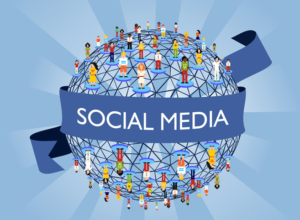
Social media has become an inseparable part of students’ lives in the digital age, offering both opportunities and challenges. While platforms such as Facebook, Instagram, YouTube and LinkedIn have transformed the way students learn, communicate and access information, their overall impact depends largely on how they are used, according to Dr. Rinku Sharma, Associate Professor at Chandigarh University, Mohali.
In an article on the role of social media in education, Dr. Sharma said that when used responsibly, social media can serve as a powerful educational tool. It enables students to stay updated with the latest scientific developments, technological innovations and global events. Educational platforms such as YouTube provide access to lectures, tutorials and subject-specific learning resources, helping students strengthen their academic understanding beyond traditional classroom teaching.
He noted that social media also encourages collaboration among students by allowing them to connect with classmates and teachers, exchange study materials, discuss assignments and work together on projects. Such interaction, he said, helps improve communication skills, creativity, teamwork and digital literacy—qualities that are increasingly important in today’s technology-driven world.
Dr. Sharma also highlighted the role of professional networking platforms like LinkedIn in career development. Through these platforms, students can connect with industry experts, explore internship opportunities, gain career guidance and stay informed about employment trends, giving them an advantage in preparing for their professional future.
However, he cautioned that excessive and uncontrolled use of social media can have adverse effects on students’ academic performance and personal growth. Spending long hours scrolling through entertainment content and responding to constant notifications can distract students from their studies, reduce concentration and lead to poor time management.
Another major concern, he said, is the spread of misinformation and misleading content on social media. Students should develop the habit of verifying information before accepting or sharing it. He also stressed the importance of maintaining online privacy, protecting personal information and following responsible digital behaviour to avoid cyber risks.
According to Dr. Sharma, social media itself is neither entirely beneficial nor entirely harmful. Rather, it is a tool whose impact depends on the way it is used. If students utilise it for learning, skill development and knowledge sharing, it can significantly contribute to their academic success and personal growth. On the other hand, excessive dependence on social media for entertainment can become a barrier to education and overall development.
Concluding his observations, Dr. Sharma urged students to use social media in a balanced and responsible manner. He said that disciplined and purposeful use of digital platforms can transform them into valuable resources for education, career development and lifelong learning while helping students prepare for the demands of the modern world.